
How to Validate an Insurance Claim with OSINT
 Intrace Team
A practical OSINT workflow for validating insurance claims: confirm the incident against time, location, and event data, spot inconsistencies, and document defensible findings.
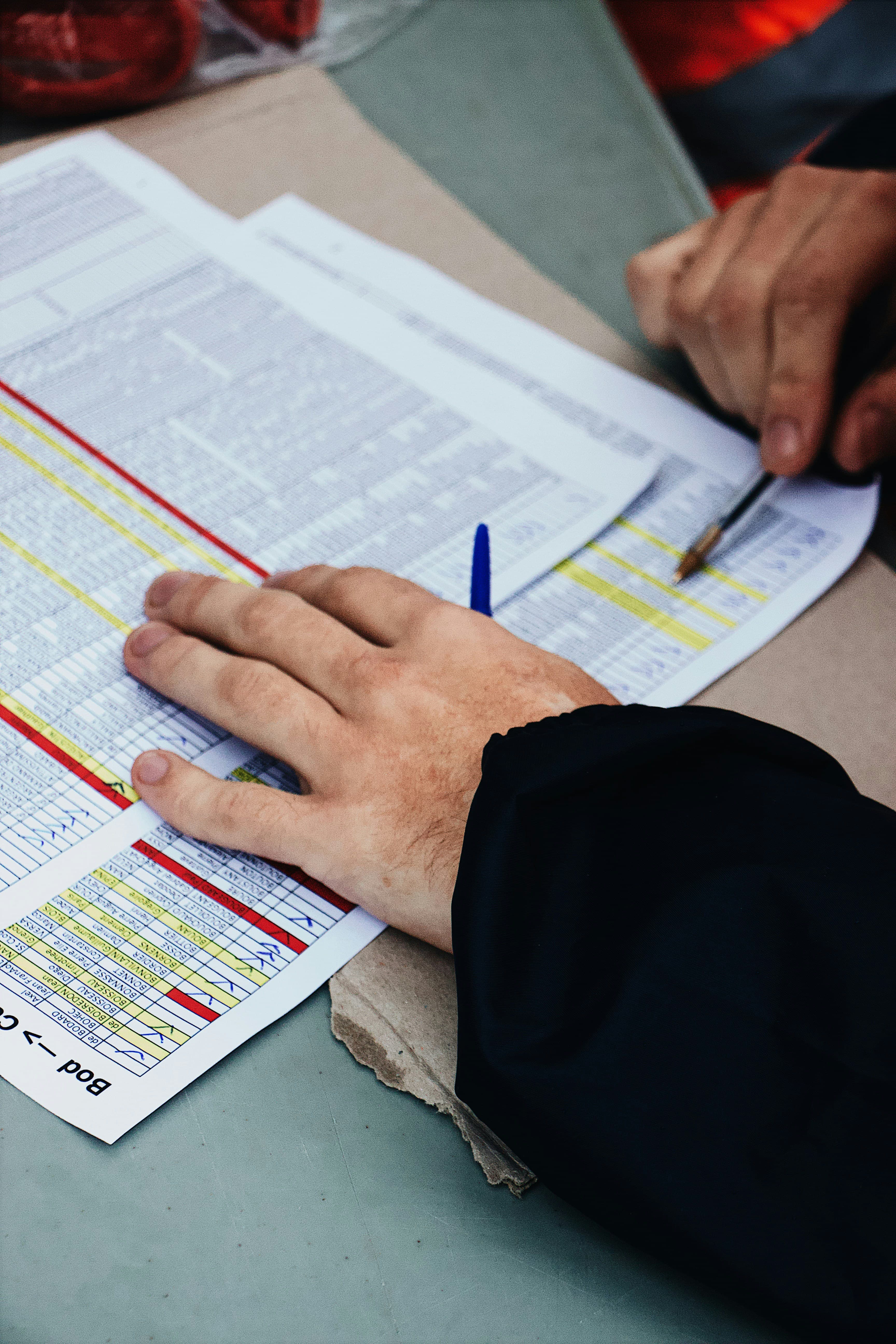
Claims teams are asked to move quickly without paying out on incidents that never happened the way they were described. Open-source intelligence gives adjusters and SIU investigators a way to validate an insurance claim against real-world data before a decision is made.
Anchor the Claim to Time and Place
Every claim makes specific assertions: an event occurred at a location, on a date, in a certain way. Start validation by confirming those anchors. Did a storm, fire, collision, or theft actually occur where and when the claimant says it did?
Cross-referencing the reported incident against live event feeds, weather data, and local reporting either supports the narrative or surfaces the first inconsistency worth a closer look.
Build a Picture of the Claimant and the Scene
Public records, business filings, and open social activity help confirm identity, ownership, and the plausibility of the claim. Photos and posts around the date of loss can corroborate or contradict the reported sequence of events.
The goal is not to assume fraud. It is to assemble a complete, source-backed picture so legitimate claims clear faster and questionable ones get the scrutiny they need.
Look for Inconsistencies and Coordination
Staged events and organized fraud rings leave patterns: the same parties across multiple claims, recycled imagery, or timelines that do not line up. Mapping the people and entities connected to a claim can expose links that a single-file review would miss.
Preserve Everything You Find
A validation effort is only as strong as its documentation. Capture source URLs, timestamps, and screenshots with attribution as you go, so findings hold up in subrogation, denial, or litigation.
Turn Validation Into a Repeatable Workflow
The teams that get the most from OSINT treat claim validation as a checklist, not a one-off search: confirm the event, confirm the parties, look for inconsistencies, map connections, and preserve evidence. A repeatable workflow keeps decisions consistent and defensible across adjusters.