


Article
September 20, 2026
Monitor threats to transportation systems, utilities, and national infrastructure. Intrace delivers continuous awareness of disruptions so teams can respond before impact spreads to the public.
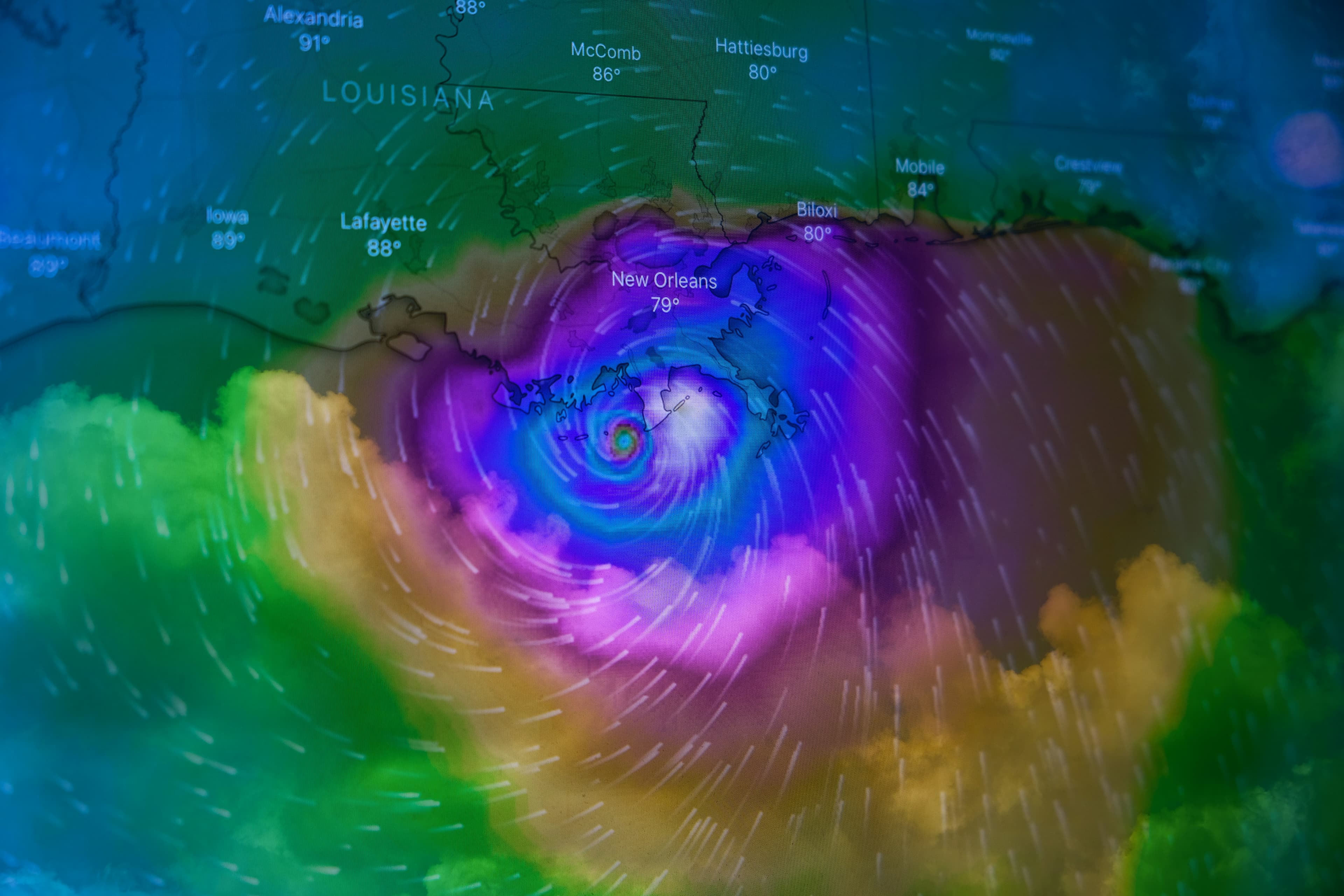
Keeping critical infrastructure operating around the clock requires continuous awareness of disruptions like accidents, outages, attacks, and natural hazards that can cascade quickly across the public. Fragmented monitoring delays response, and the gap between an event and a coordinated reaction can turn a minor disruption into a major one.
Intrace discovers emerging critical events in real time and ties them to precise locations, so teams respond as early as possible to transportation accidents and infrastructure disruptions. Continuous updates and a common operating picture keep agencies and operators aligned as a situation develops.
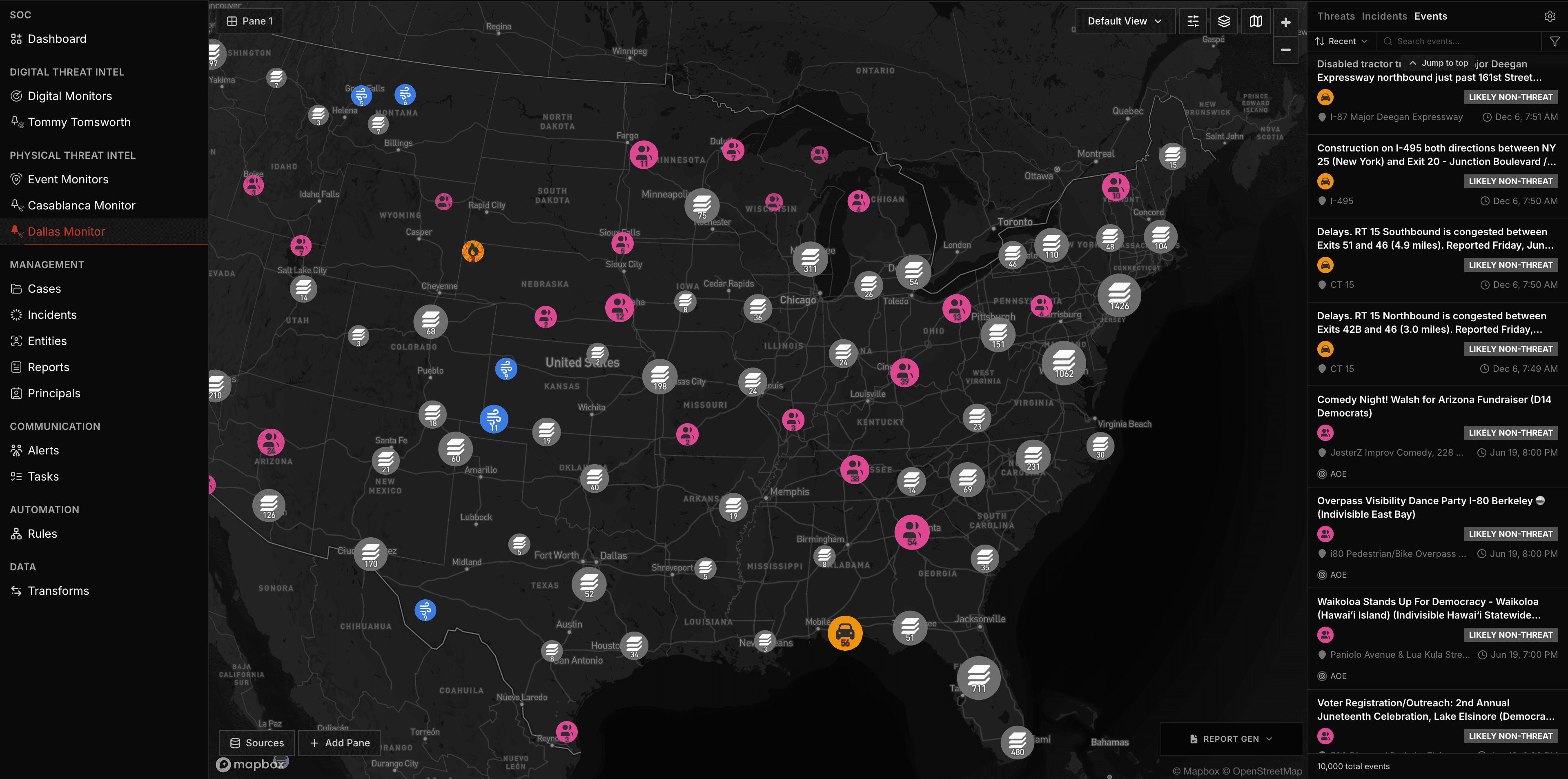
Ingest live global feeds on violence, crime, infrastructure, and weather. Follow incidents from early signal through resolution with AI risk scores that weigh proximity and severity in real time.
Monitor threats across social, messaging, web, and dark-web sources. Intrace reads the intent behind posts and replies—not just keywords—and tracks risky accounts over time to detect escalation and coordination.
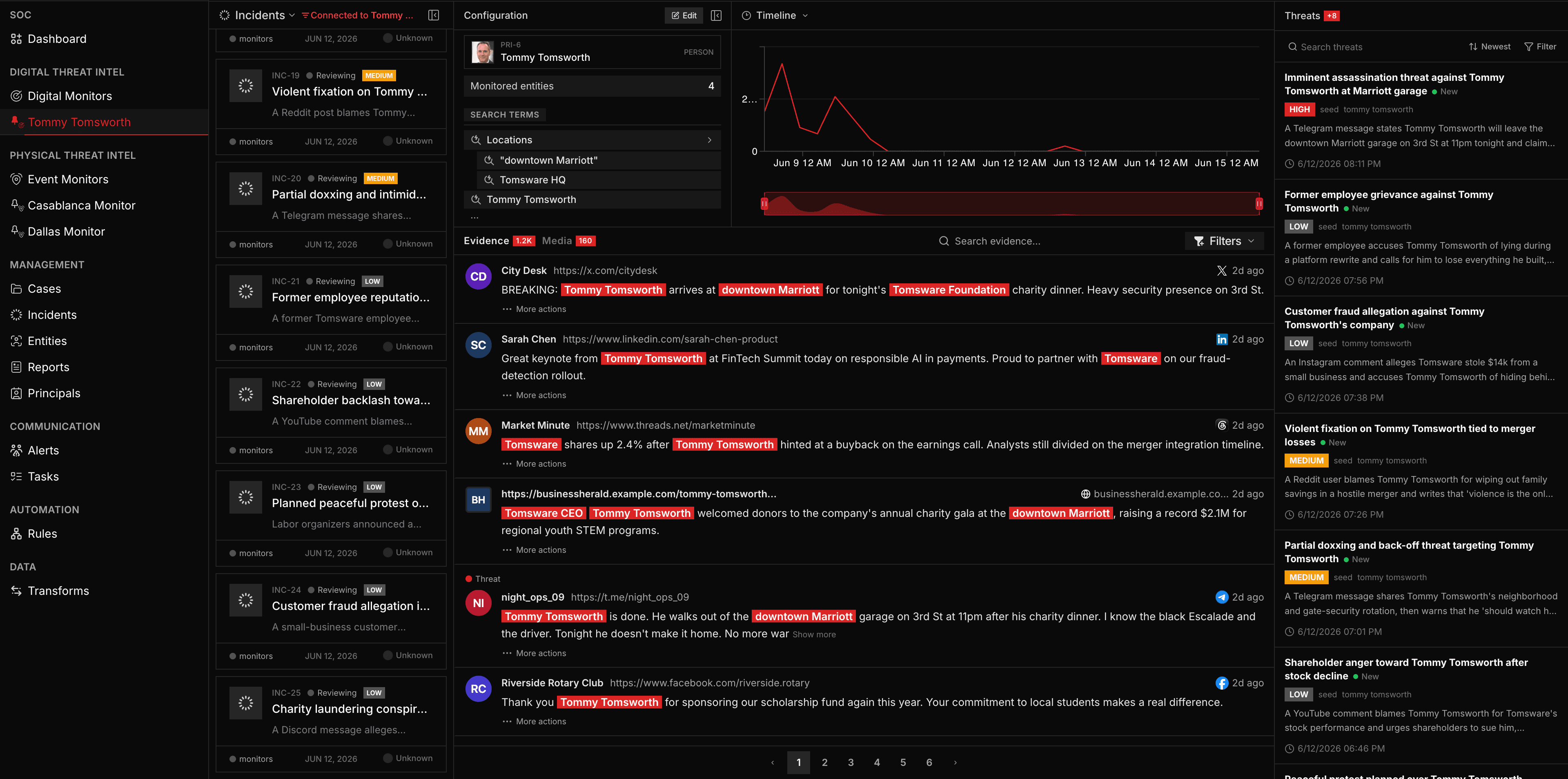
Intrace surfaces accidents, outages, attacks, and natural hazards affecting transportation systems, utilities, and other critical infrastructure as they emerge.
Intrace detects disruptions as the earliest signals appear and updates continuously, giving teams the lead time to coordinate response before impact spreads.
Events carry precise location context, so teams can align disruptions to specific assets and nodes and prioritize accordingly.
A shared operating picture keeps agencies and operators aligned with the same real-time context during an incident.
Playbooks, field notes, and practical guides related to Critical Infrastructure Protection from the Intrace team.