





Article
September 20, 2026
Support the safety of travelers with precise, real-time visibility into the events and risks around them. Intrace replaces broad country-level alerts with hyperlocal awareness tied to where your people actually are.
Traditional travel security relies on broad country advisories, imprecise event locations, and infrequent updates, forcing teams into a reactive posture, unsure whether an incident actually threatens a traveler. When a crisis breaks, identifying which travelers are nearby and reaching them with useful guidance becomes a scramble across spreadsheets and disconnected tools.
Intrace provides early warnings, precise event locations, and continuous updates, so teams see incidents the moment they emerge near accommodations, routes, and destinations. Proximity and severity make prioritization clear. With a real-time picture of where risk is developing, teams can reach travelers and recommend changes before an incident escalates.
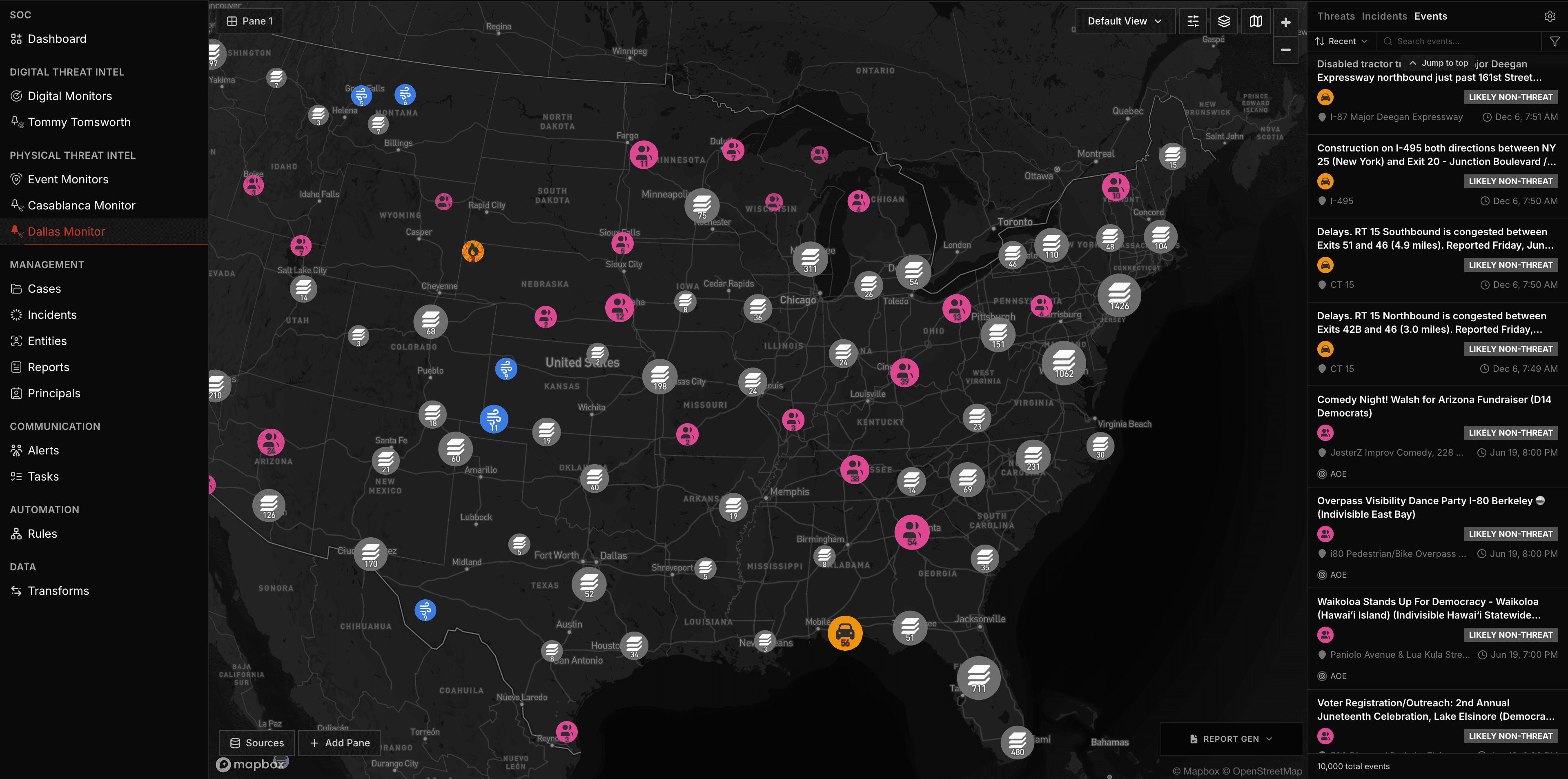
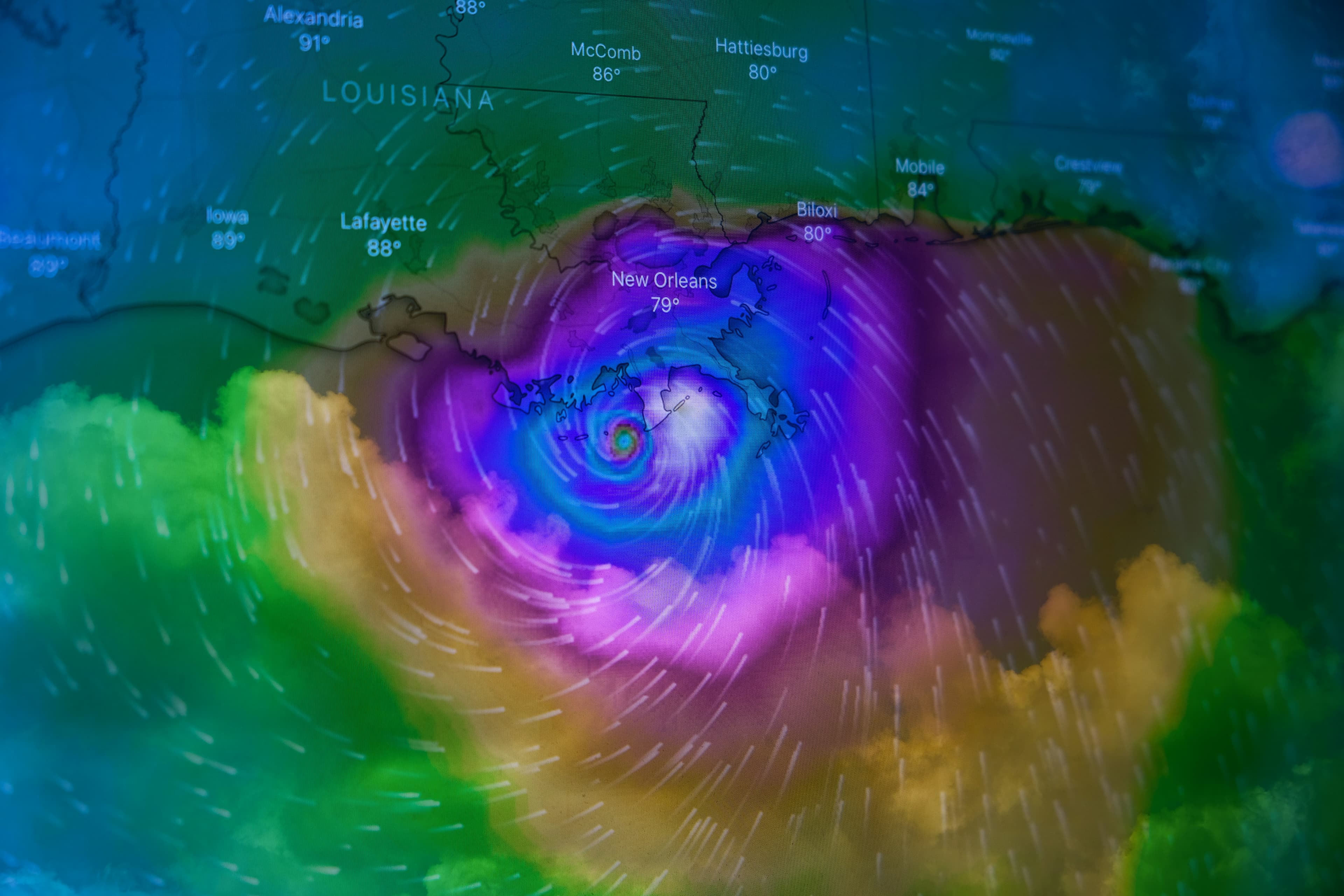
Ingest live global feeds on violence, crime, infrastructure, and weather. Follow incidents from early signal through resolution with AI risk scores that weigh proximity and severity in real time.
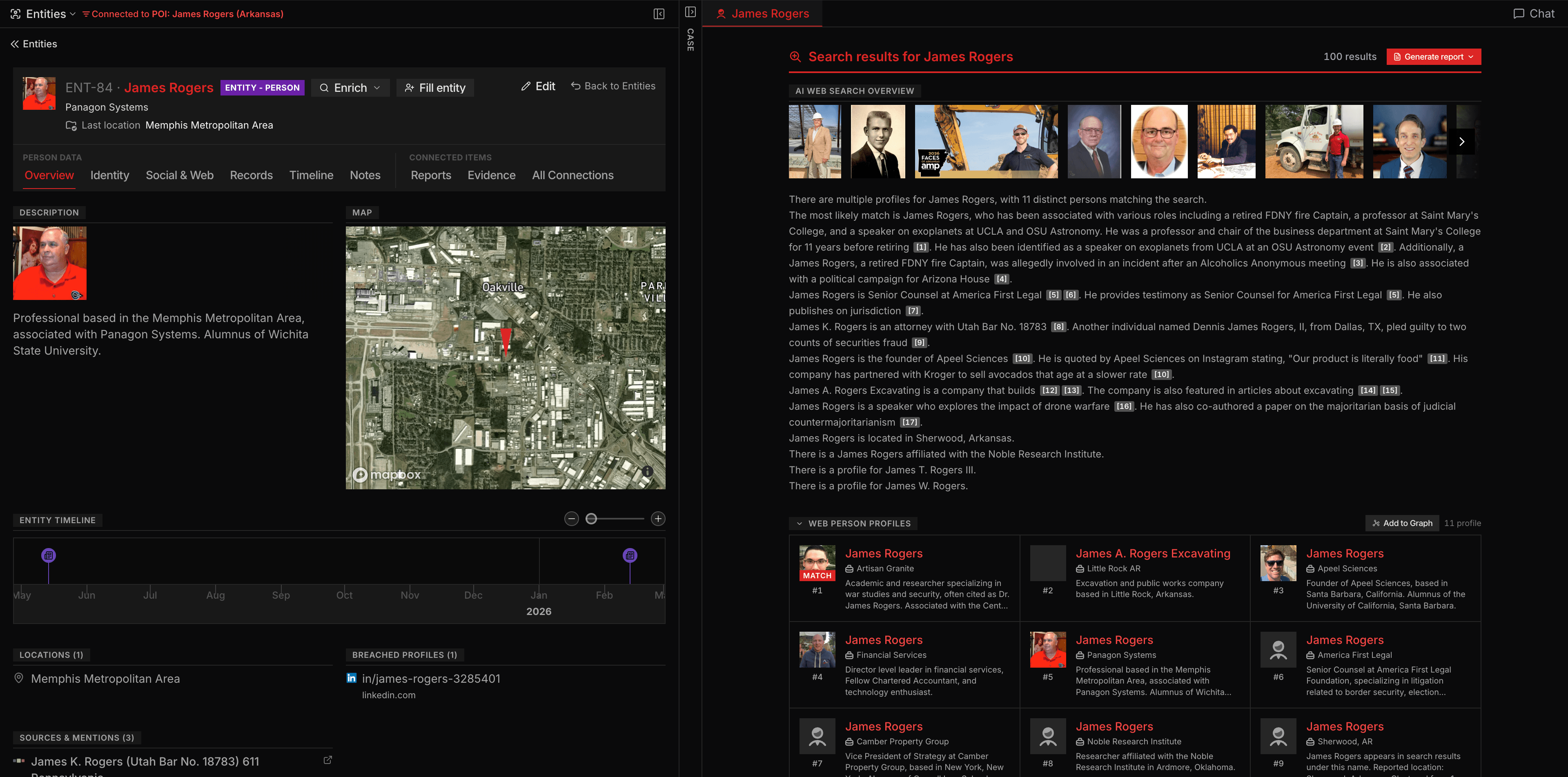
Launch from any lead with unified web, PII, and records search. AI-synthesized overviews surface matches across sources so analysts can validate identity and enrich entities in a single pass.
Advisories describe broad conditions. Intrace pinpoints events at the local level with precise locations and continuous updates, so teams know whether a specific incident actually affects a traveler's location or route.
Yes. Intrace draws on a wide range of public sources, including social and fringe channels, to surface on-the-ground signals that help teams maintain awareness in difficult environments.
AI delivers real-time updates as an event develops, so teams see how a situation is evolving around a traveler instead of relying on a single initial report.
Proximity and severity scoring keep the most consequential, closest events at the top, so teams focus communication and response where the risk to travelers is greatest.
Playbooks, field notes, and practical guides related to Travel Risk Management from the Intrace team.