
Is GTA VI Turning Millions of Gamers into Security Experts?
 Christopher Fitzgerald
Rockstar gets a lot wrong about CCTV, alarms and guards. But GTA VI has gamers asking the same questions security teams ask every day.
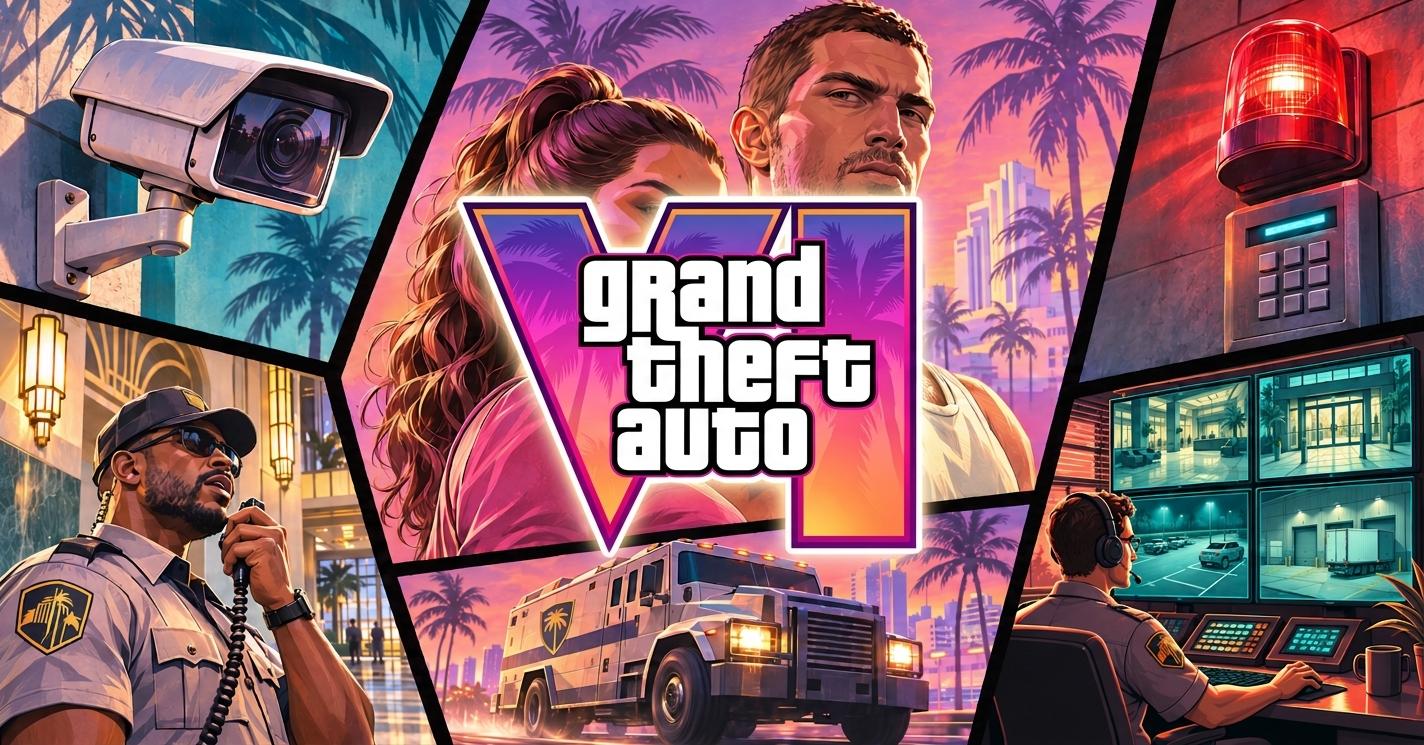
Since GTA VI came out, I've talked with a few people who've spent far too many hours playing it, and they kept raising things I'd expect from a security team, not a group of gamers. Where a store keeps its camera footage. How many guards a bank needs before it's not worth the risk. What changes inside a branch when the armored truck pulls up. Rockstar worked a surprising amount of detail into the security side of the game, and players are picking it up whether they mean to or not.
If you work in physical security, some of this is basic, and some of it is far too predictable, especially the way guards respond. So no, a few hours in GTA VI won't make anyone an expert. But for someone who's never given much thought to the camera above a checkout counter, it might change what they notice the next time they walk into a store. Here's where the game gets it right, and where it doesn't.
The bank robbery that never happens
In one preview, Rockstar North's Rob Nelson walked into a bank, saw how many guards were inside and walked back out. For a game about committing crimes, that's a pretty good depiction of deterrence. The most important thing the guards did in that scene was be visible.
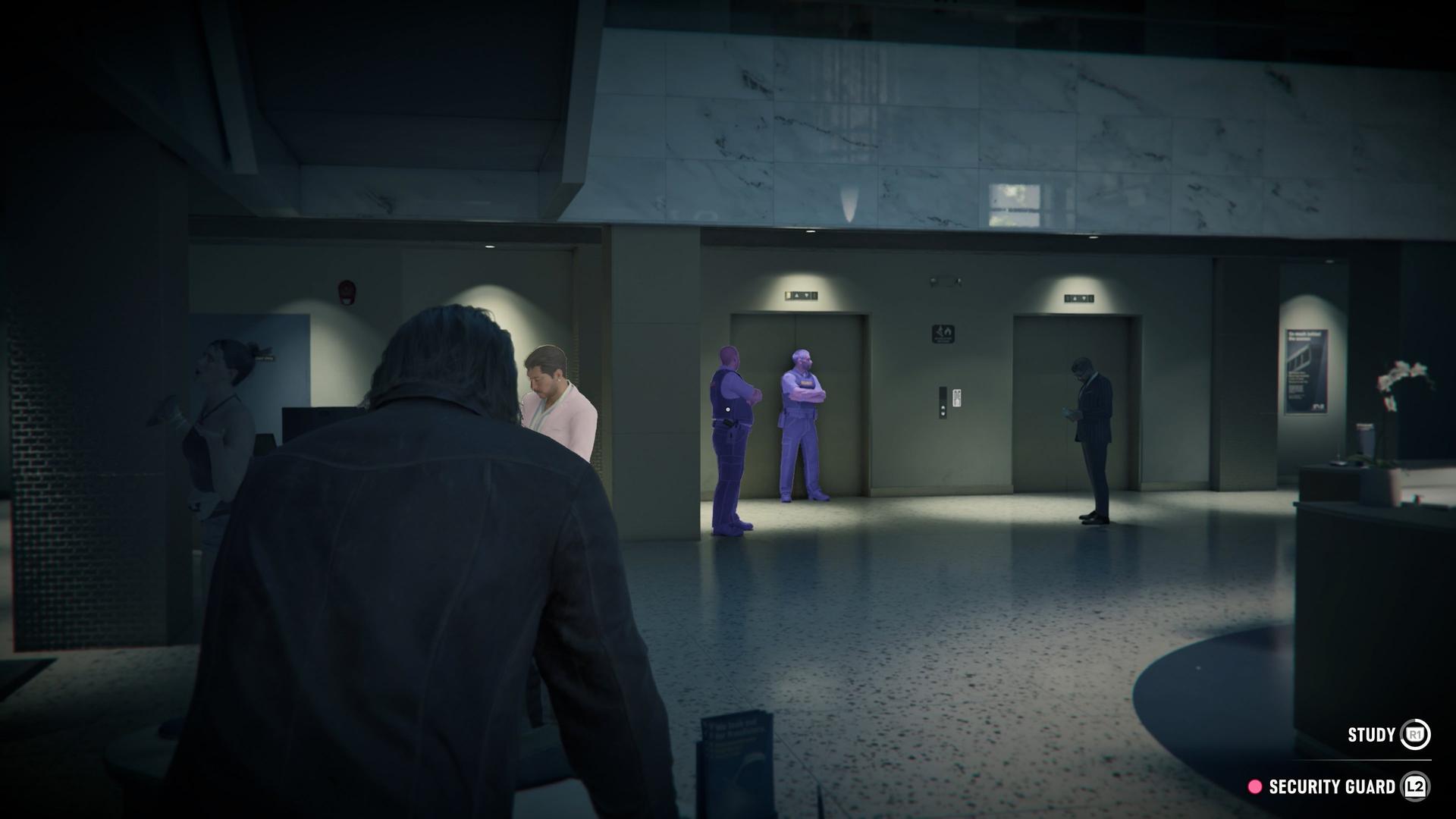
GTA gives every location a Low, Medium or High security rating on the map, but what I like about the bank scene is that you can watch Nelson make his own assessment. He walked in expecting to do one thing, saw something that changed his mind and left. From the bank's perspective, it was an afternoon when nothing happened, and nobody there will ever know how close it came. A deterred robbery doesn't leave an incident report, which is exactly why it's so hard to show in the real world.
Where does the footage go?
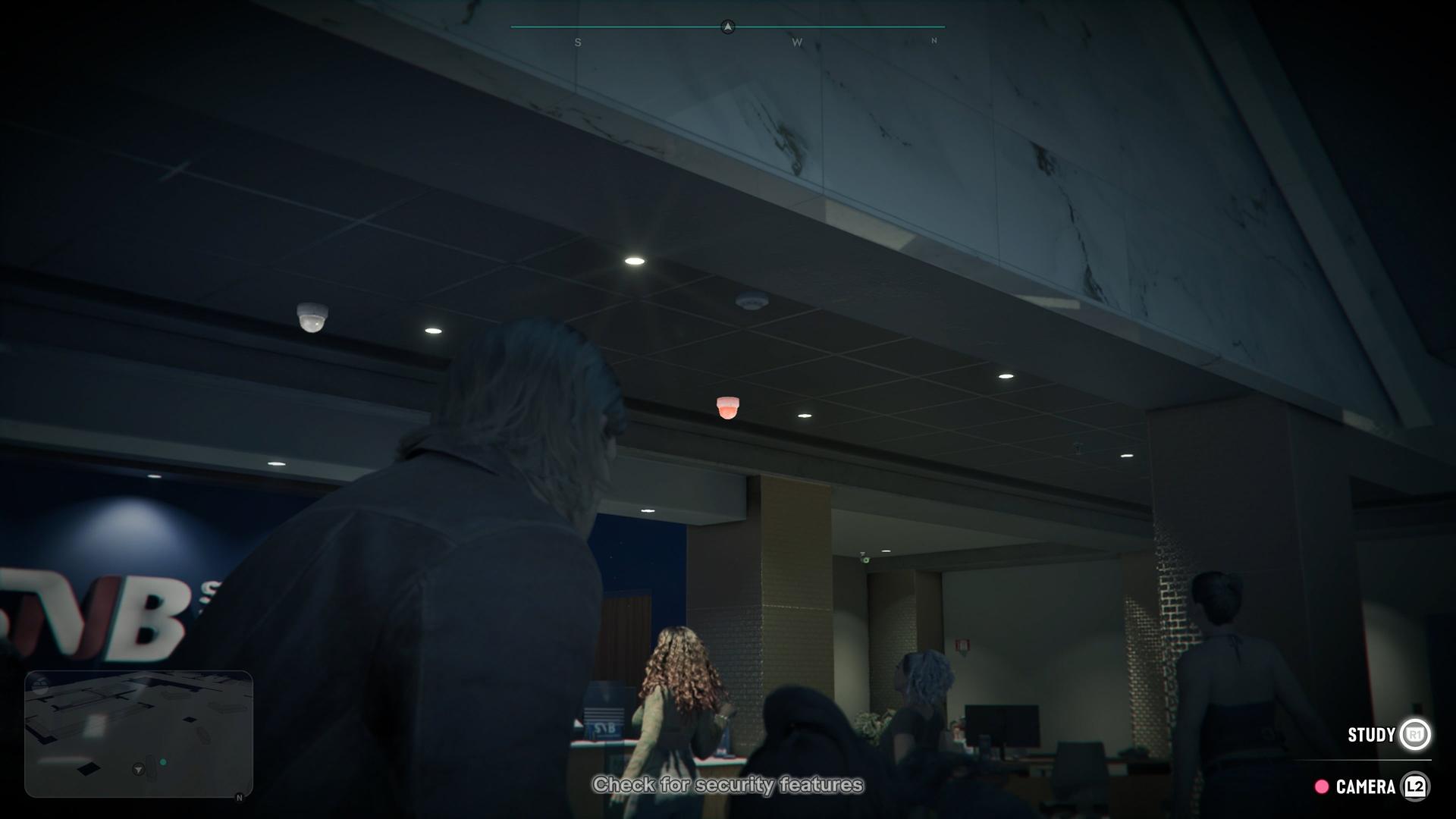
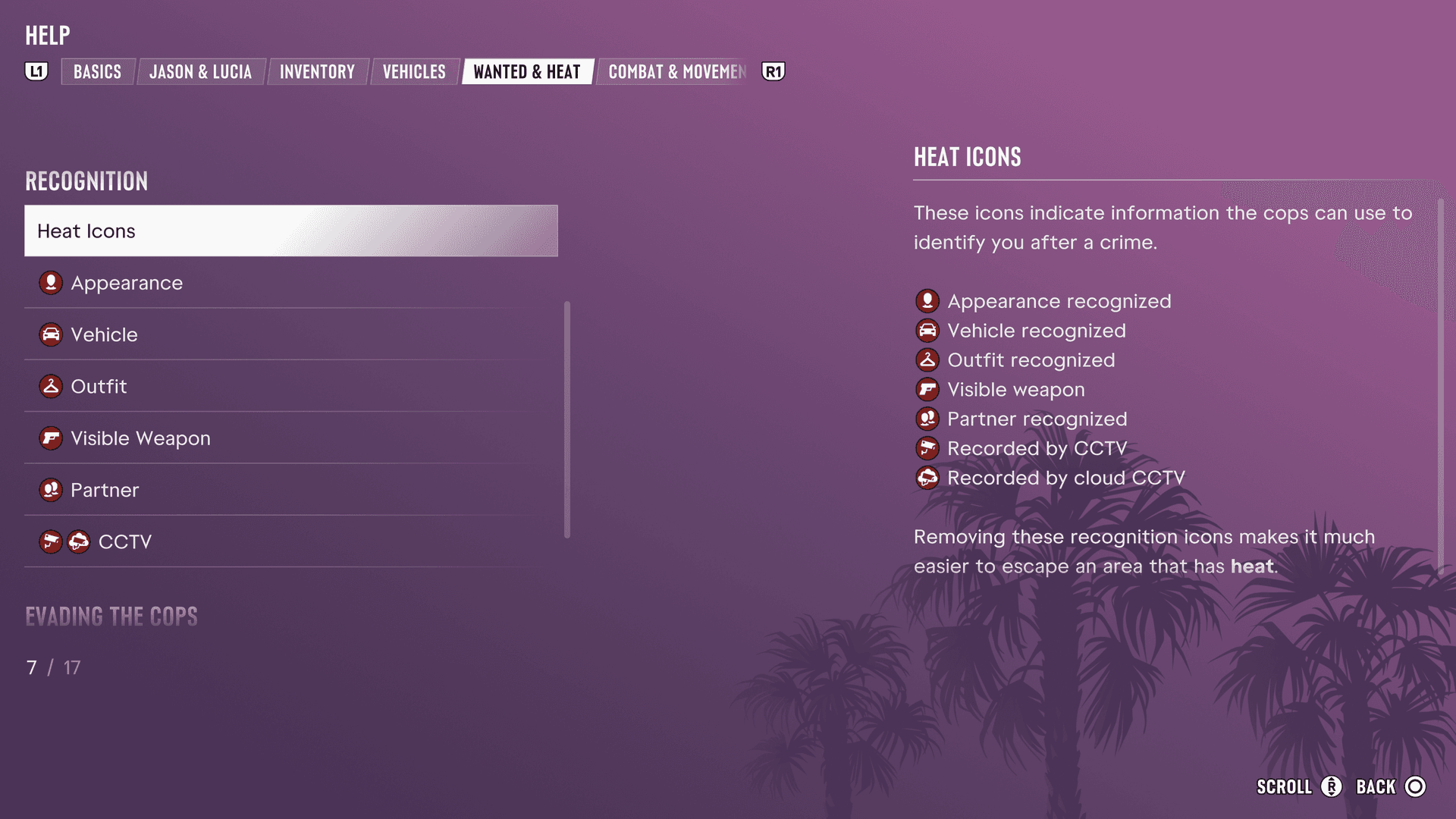
Of all the details Rockstar included, the one I'd least expect players to talk about is video storage. In GTA VI, cameras don't call the police. They record, and the footage only reaches police when an alarm goes off or the player leaves the building. If it's stored on site, a player can find it and destroy it before walking out. If the icon shows a cloud, the copy has already left the building, and the only option left is to shoot the camera.
That's closer to reality than most people would guess. Most CCTV isn't watched live, and its value comes later, when someone pulls the recording. Burglars take the recorder from the back office for exactly the reason the game suggests.
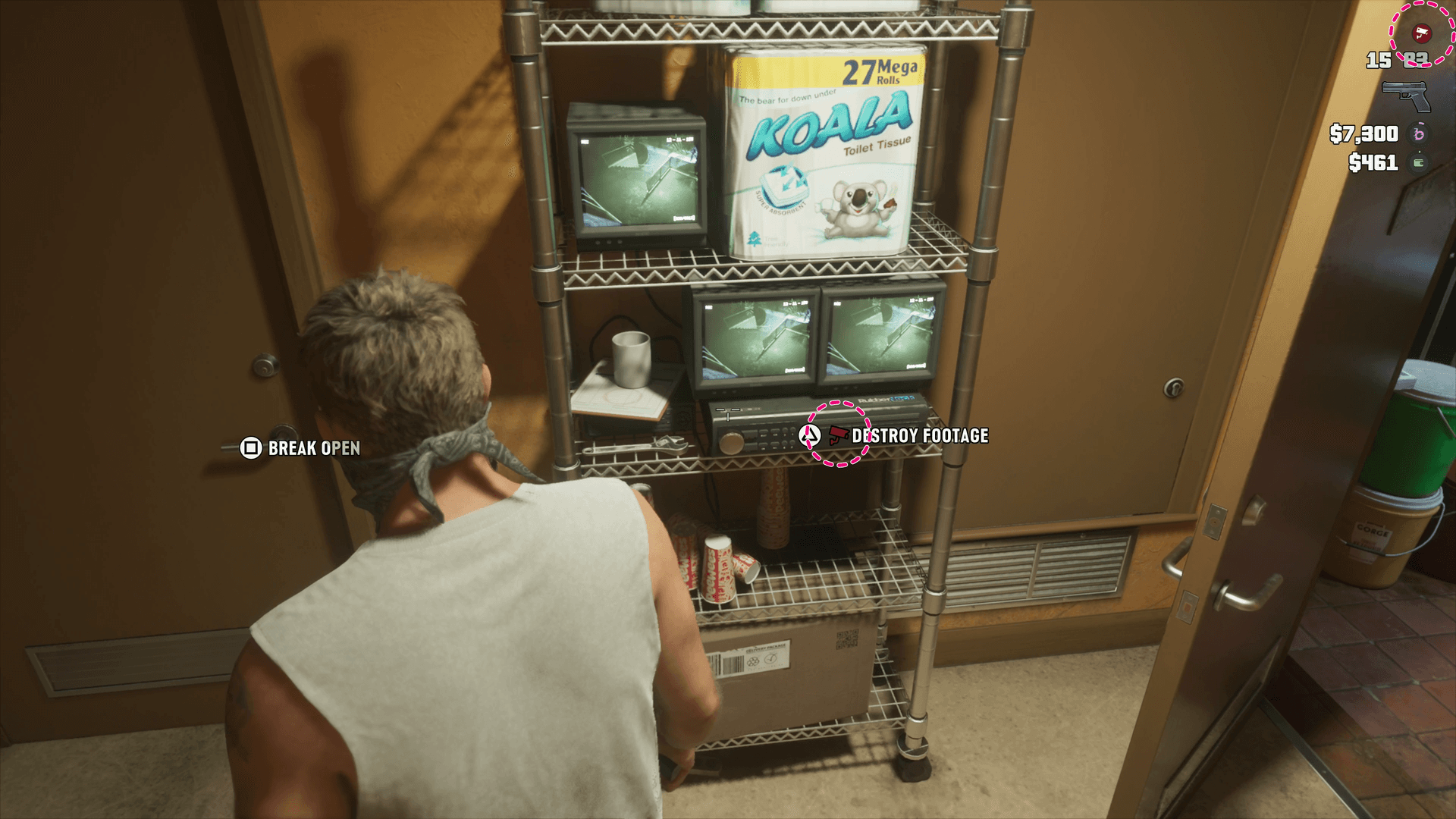
Where the game goes easy is the shot camera. A real cloud system would keep everything up to the moment the camera went dark, and a decent one would flag the outage. The game also treats footage as finished evidence the moment police have it. In practice, someone still has to find the original, confirm the timestamp is right and document who received a copy. Imagine reviewing an incident a week later and finding that three people have a clip someone filmed off a monitor, but nobody kept the original recording.
When the alarm sounds, who gets the call?
Breaking a display case in GTA VI can set off an alarm even if the player has already dealt with the cameras. I like that Rockstar treats them separately, because they answer two different questions. Will there be a record of what happened? Will anyone know about it in time to help?
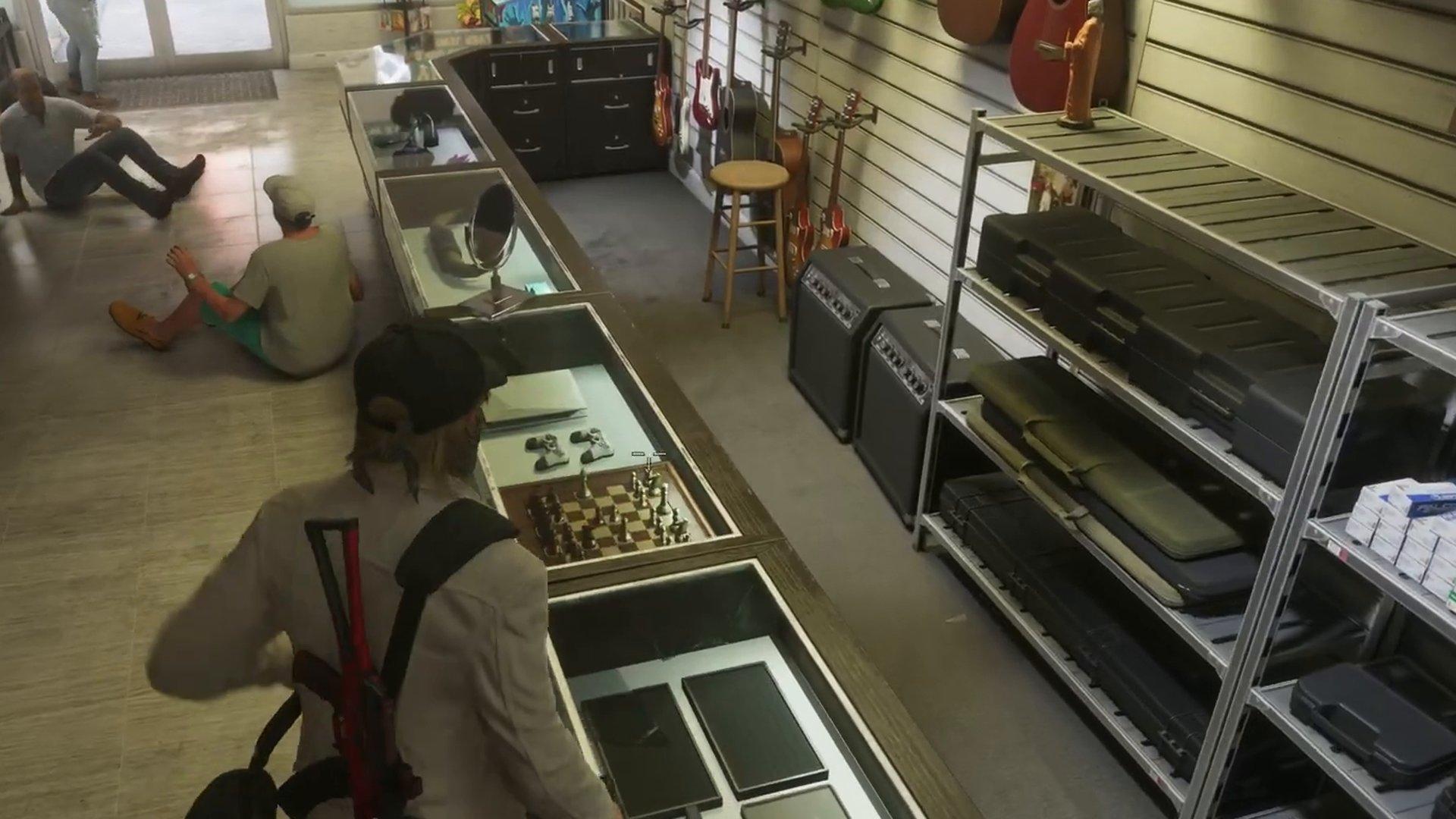
Players learn fast that the alarm panel is usually a white box in the back room, and that disarming it first lets them smash cases without consequence. Pair that with the snap gun, a story-unlocked tool that opens locks without a sound, and a player can get through a back door and into the stockroom without the system ever registering a problem. That part is believable, since back doors tend to get cheaper locks than front doors and many systems only react to forced entry. The back-room disarm is the generous part. Real panels have entry delays, duress codes and protection that reports a panel that suddenly goes quiet.
The game also keeps the response simple. An alarm sounds, and police show up almost immediately. In an actual store, the first person to learn about an alarm might be an employee, someone at a monitoring center or a member of the company's security team, and someone still has to work out what happened and give responders the right location. A siren tells a cashier that something is wrong. It doesn't tell them whether anyone has called for help. If a display case breaks at 2 p.m. on a Tuesday while the store is full of customers, the player usually has a clearer idea of what happens next than the cashier does.
The safe code on the sticky note
GTA VI gives the player a new safe code to find on every robbery. It might be on a guard, on a computer screen or on a sticky note. If the player can't find it, they can force the safe, but that's loud and can damage what's inside.
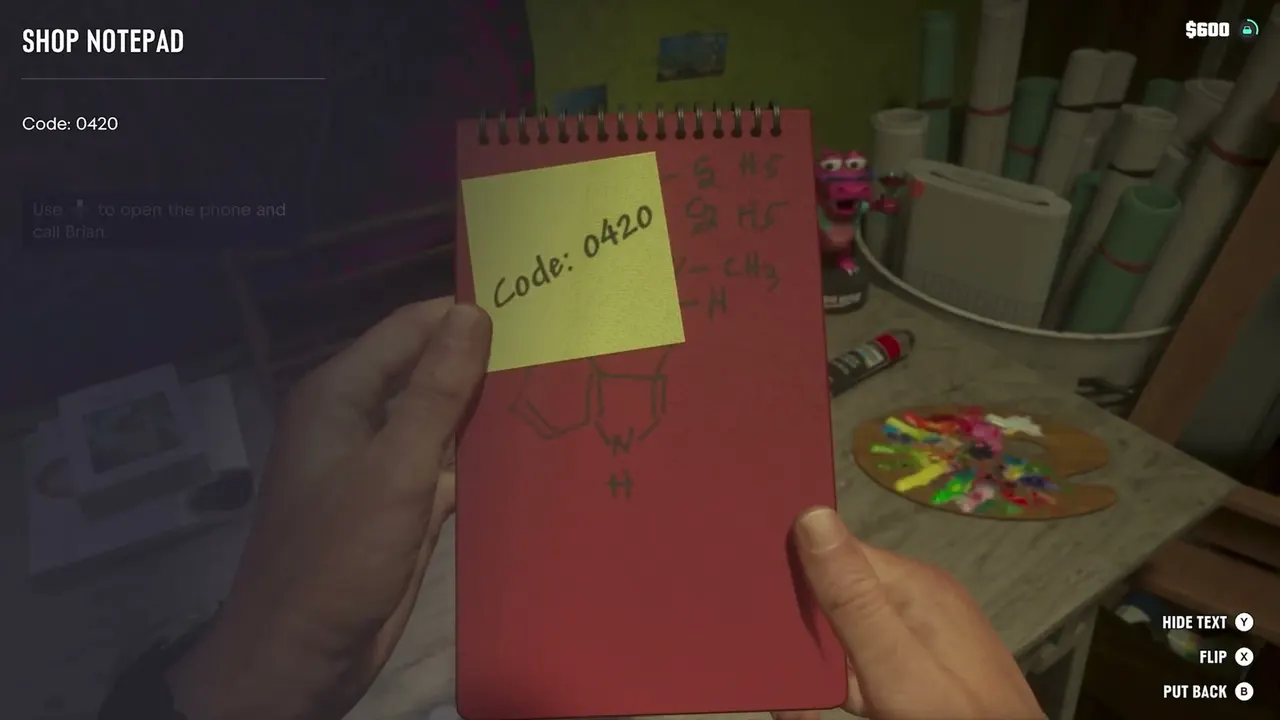
The part I find most believable is the note. You can picture a manager writing it down for someone covering a closing shift, and you can picture it still being there six months later because the next person needs it too. Where the game is generous to the store is the code changing every time. Real combinations tend to stay the same for years.
The game treats finding the code as the end of the problem. For the person running the store, finding that note should raise a better question: what made writing it down the easiest way for someone to do their job? Throw the note away without answering that, and there's a fair chance someone writes another one.
Guards learn a script. Customers complicate it.
Several people I spoke with said that after a few robberies, they had a good feel for how a guard would react. Keep your gun on an armed guard and he kneels and puts his weapon down. Look away too early and he shoots. When two or more people are doing the robbery, guards rarely push back at all.
The first part isn't far off. Most contract guards are trained to observe and report, and a guard facing two armed people has every reason to comply. The second part is where a player's new expertise would get someone hurt. A guard who opens fire in a crowded lobby the second a robber glances away is the exact scenario post orders are written to prevent.
What GTA gets closer to right is that a robbery happens in a room full of people who each know something different. The clerk saw how it started. A customer heard a crash. Someone walking through the front door has no idea why everyone else is standing still. In the game, a bystander can intervene or call it in, and suddenly the encounter the player thought they understood has changed.
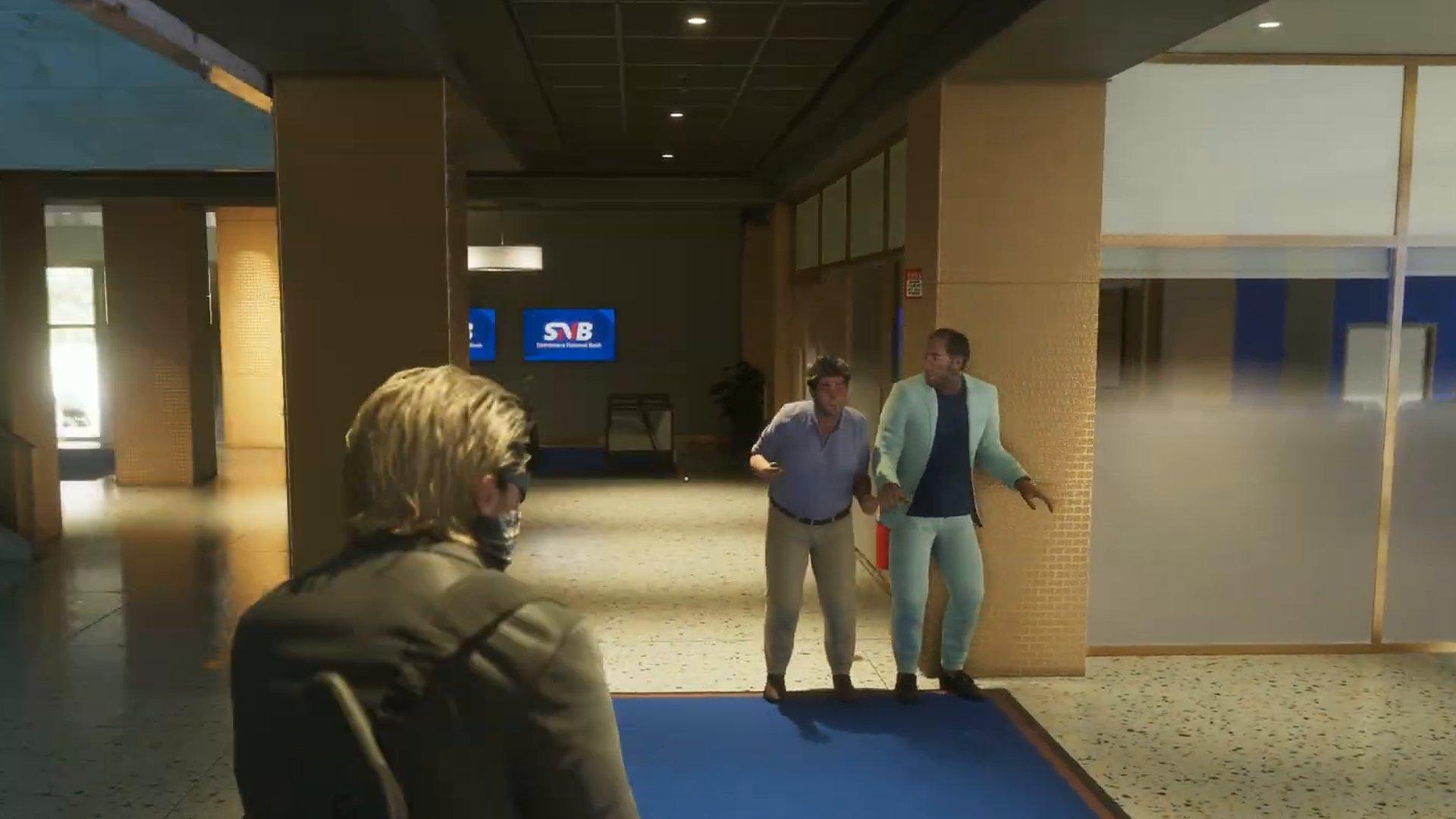
From the guard's perspective, that customer coming through the door matters at least as much as the person they've been watching, which is why I'd put more stock in what GTA shows about the crowd than in what it teaches players to expect from a guard.
The armored truck changes the bank
Banks in GTA VI hold money in layers: a cash drawer, a safe and, at larger branches, a vault. The vault only opens when an armored truck arrives and a guard carries cash inside, and it stays open just long enough to tempt a player who has been waiting for it. It's the same building and the same guards the player saw a few minutes earlier. The difference is that the staff now have a job to do that requires the vault to open. A "High" rating on the map tells you nothing about that change, though the game does price the risk: a vault robbery always brings a four-star police response.
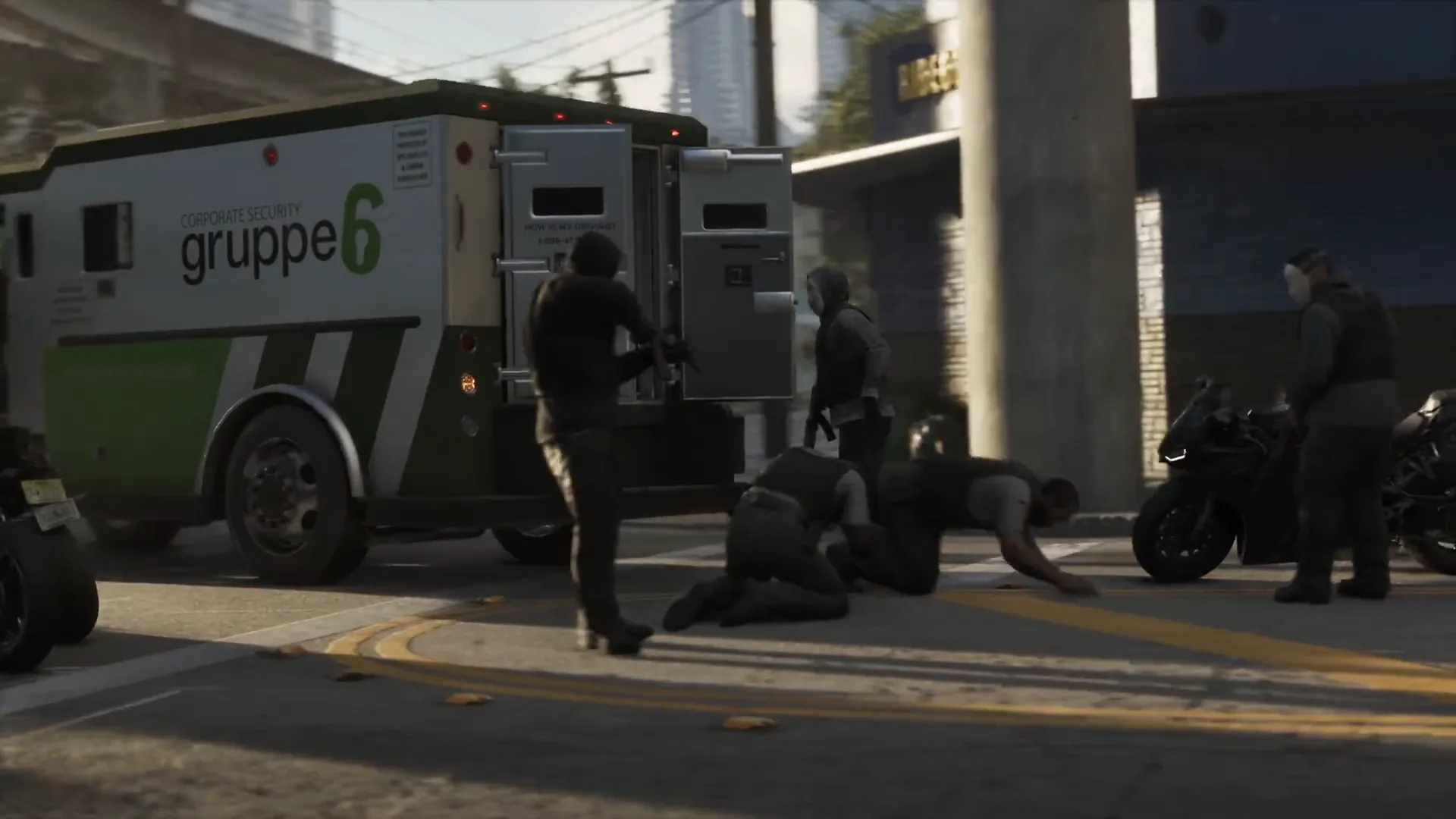
It's the closest parallel in the game to executive protection. An executive can spend the day in a building with controlled access and leave in a secure vehicle, but there's still a walk between the two, often alongside people arriving, leaving or waiting for someone else. For a few minutes, the bank is doing something different, and its security has to account for it.
What can a witness or a camera actually tell you?
GTA VI replaces the old wanted timer with a system that tracks what police actually know: camera footage, witness descriptions, the getaway car, even stolen cars that report their own location. Masks and clothing change what that adds up to. A mask might hide a face, but the recording can still show when someone arrived, what they wore and who else was there. Players get clean by changing clothes, ditching vehicles and destroying footage, which may be the most investigator-minded thing the game asks of them.
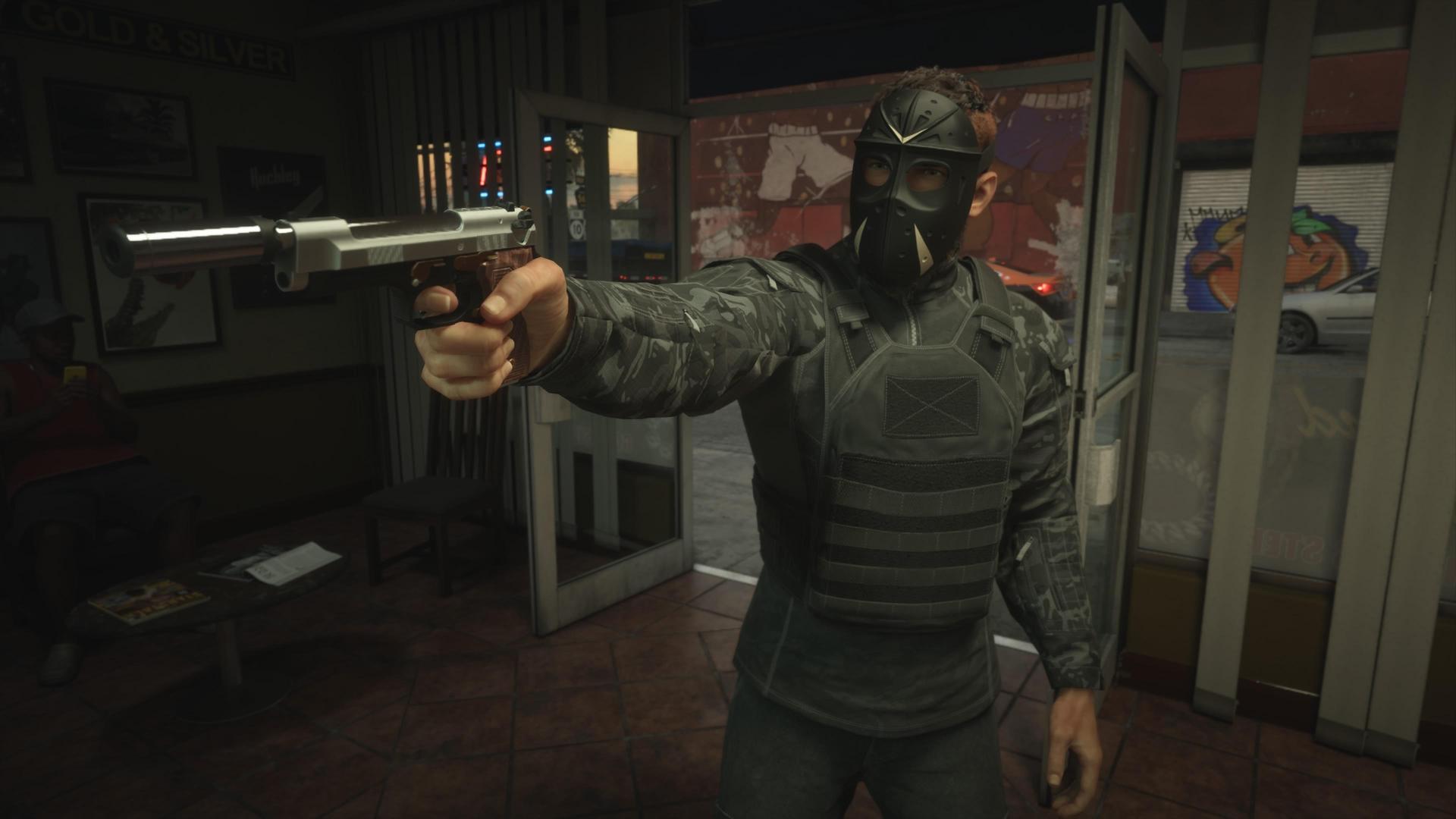
Where the game has it easy is that it already knows who the player is. An investigator has to leave room for the possibility that two people wore similar clothes or that a witness remembered the wrong car. Several details can support an identification, and sometimes they give you enough to rule someone out, which matters just as much.
There's a related point for executive protection. A conference names a speaker. The company posts a photo. An attendee tags a colleague in the background. Each person has an ordinary reason to share what they did, and together those posts can show that someone is at an event while it's still underway. GTA gets players used to asking what someone else can piece together about them. It's a fair question for the people posting the company photo, too.
So, are they?
So, is GTA VI turning gamers into security experts? Not quite. The game is too generous with alarm panels and too predictable with guards, and it always knows who did it. But the next time some of these players walk into a store, they'll notice the guard they used to walk past. Others will look up at the camera and wonder where the footage goes. A few might even ask who gets the call when the alarm sounds. Those are questions that anyone who works in security would recognize, and most people never think to ask them. What surprised me was hearing them from people who'd spent the weekend playing Grand Theft Auto.